Chase login
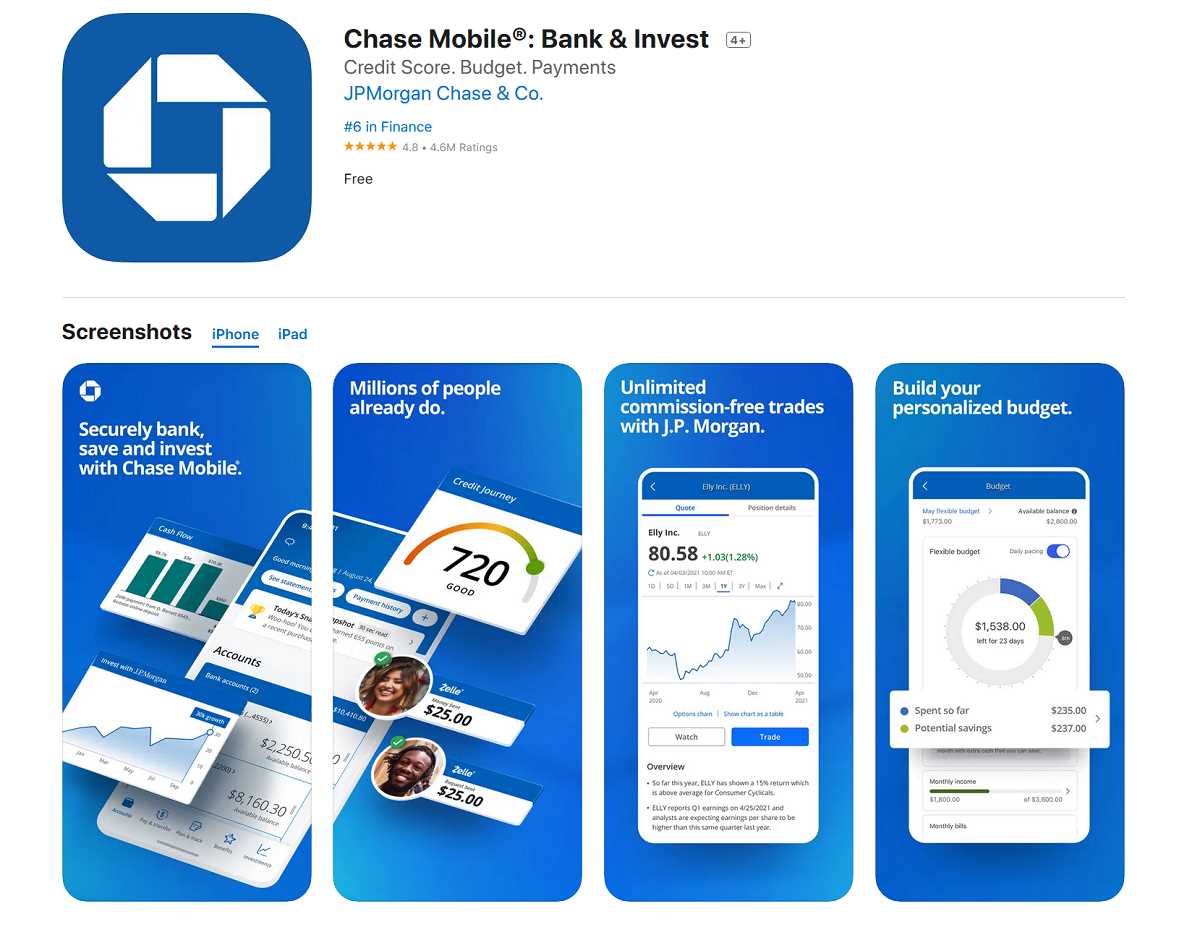
Go to https://www.chase.com in a private browser tab; complete login with your username + password, then confirm the one-time code sent to your device. For online access, type the URL manually or use a trusted bookmark to avoid look-alike sites.
On iOS or Android, install the official app from App Store or Google Play; open it, choose Log In, enter your credentials, then enable Face ID/Touch ID after verification for quicker access on this device only. If you manage a chase profile on multiple phones, register each device separately.
Boost security: use a unique passphrase (12+ characters with letters, numbers, symbols), disable “Remember me” on shared hardware, check the padlock icon plus certificate details before entering data, turn on two-step verification for every new browser/app, review alerts in Profile & Settings > Security Center.
Fix common issues fast: clear cache/cookies, update the app, switch to a different network, verify phone time/date, restart the device. For locked access, use “Forgot username/password”, confirm identity with SSN/TIN, card number, or account number, then set a fresh password.
Confirm Your Device and Browser Meet Chase Online Requirements
Update your browser to one of the two latest releases: Chrome, Edge, Firefox, Safari. Use Windows 10 22H2+ or Windows 11, macOS 12+, iOS 16+, Android 9+.
Browser & OS
Enable JavaScript, allow cookies (not Block all). Permit storage for *.chase.com. Set tracking protection to default for this site to avoid device checks failing during login.
Verify TLS 1.2 or 1.3 is active. Check via https://www.ssllabs.com/ssltest/viewMyClient.php. Disable SSL 3.0, TLS 1.0, TLS 1.1 in system or browser settings.
Keep time, date, timezone on automatic. A mismatch can break one-time codes on the chase site.
Turn off extensions that alter page scripts: ad blockers, script filters, privacy tools. If issues persist, try a fresh profile or a Private/Incognito window.
Use display scaling 100–125%, browser zoom 100%, minimum resolution 1024×768. Higher zoom can hide MFA prompts.
Network & security tools
Allow ports 80 & 443. Avoid TLS interception by antivirus HTTPS scanning or a corporate proxy. If such tools are required, add *.chase.com to exclusions. VPN locations may trigger risk checks; a U.S. exit node suits a U.S. bank profile.
Ensure certificates chain to trusted roots in the OS store (DigiCert, Entrust, similar). Run system updates to refresh the root store.
Troubleshooting: clear cache & site data for chase.com, remove cookies for the domain, restart the browser, retry login. If the page stalls, relax content blockers for the site. Confirm the address bar shows https://secure.chase.com with a lock icon before entering credentials.
Find the Official Chase Bank Login Page and Avoid Phishing Look-Alikes
Type https://www.chase.com in the address bar; press Enter; create a bookmark; use only that bookmark for every visit to your bank.
Confirm the domain exactly matches the brand: example https://secure.chase.com/web/auth/#/logon; reject look-alikes such as https://chase.com.example.com or misspellings; avoid URLs with extra hyphens, digits, unusual country TLDs.
Check the lock icon; protocol must be HTTPS; the certificate should list JPMorgan Chase & Co. as the organization; no browser warnings; expiration date valid.
Open the secure access page only from the site’s top-right log-in control or by typing https://secure.chase.com/web/auth/#/logon; skip links from email, SMS, QR codes.
Avoid search ads; prefer direct navigation; if a search is used, pick the result with the root domain shown as https://www.chase.com; ignore sponsored results that mask the true URL.
Red flags: requests for card PIN, full SSN, remote-access tools, crypto payments; prompts to install unknown apps; forms that ask for one-time codes before any username entry.
Report suspicious messages: forward emails to phishing@chase.com; forward texts to 7726; support line 1-800-935-9935. Official resources: Homepage, Security Center. Reference guidance: FTC phishing guidance.
Desktop Sign-In Steps: Username, Password, and Remember Me Options
Desktop access
Use the online portal at https://www.chase.com on a desktop browser. Only trust the official chase site; confirm the padlock icon plus the exact domain before any input. Click the login entry in the top-right, then switch to the correct profile if multiple users show.
Username, password, Remember me
Type your username exactly as created, no leading or trailing spaces, Caps Lock off. For the password, rely on a password manager or type carefully; reveal via the eye icon to verify before submit. Avoid pasting from apps that insert hidden characters.
Toggle Remember me only on a private device. This stores the username, not the password. Leave it off on shared PCs or kiosks. To remove a saved username later, click “Not you?” on the form or clear cookies for chase.com; cookie deletion will erase the stored entry.
Press Enter to complete login. If a one-time code request appears, retrieve it via SMS or email without delay. Too many failed attempts can trigger a temporary lock; use Forgot username or Forgot password instead of guessing.
Enable Two-Step Verification and Manage Trusted Devices
Turn on 2-step verification now, then audit trusted devices via Security settings to reduce takeover risk at login.
Turn on 2-step verification
Go to chase.com in a browser online, complete login, open Profile & settings → Security → 2-step verification, pick SMS, voice, or email as the primary delivery method, add at least one backup method, confirm with the one-time code.
Prefer a phone number you control, avoid shared inboxes, verify that time, number, carrier, country code, consent settings match your current service.
Trusted devices control
When prompted for a code, select Trust this device only on hardware you own. To review or revoke trust, open Profile & settings → Security → Devices & browsers, remove entries you do not recognize, then require a code at the next login. Lost phone or sale of hardware: remove trust for that device immediately, change your password, review recent activity.
| Task | Path | Tip |
|---|---|---|
| Enable 2-step verification | Profile & settings → Security → 2-step verification | Set SMS as primary, email as backup for resilience |
| Add backup contact | Security → 2-step verification → Manage delivery methods | Use a second number on a different device or carrier |
| Trust or untrust a device | Security → Devices & browsers | Trust only private hardware, remove shared or public entries |
| Force code at next login | Security → Devices & browsers → Remove all | Also clear browser cookies to drop local trust tokens |
| Update lost or changed number | Profile & settings → Personal details → Phone & email | Update first, then test a fresh code delivery |
| Check recent access | Security → Login activity | Look for unknown locations, times, device names, revoke trust |
Reference: Privacy & Security guidance on chase.com: https://www.chase.com/digital/resources/privacy-security
Extra safeguards: disable voicemail PIN bypass with your carrier, block SIM swap via a carrier port-freeze, avoid trusting browsers in private mode, rotate trust after any OS reinstall.
Install the Chase Mobile App, Register Your Device, and Sign In
Install only from the official store; on Android confirm package ID: com.chase.sig.android; avoid third-party sources.
Install the app
- Open the App Store (iPhone) or Google Play (Android).
- Search: chase.
- Select the official result; on Android verify package ID matches com.chase.sig.android.
- Tap Get or Install; wait for completion.
- Launch the app.
Register your device, then log in
- Choose Log in or Get started, then opt for existing profile if you already enrolled online.
- Enter username, then password; proceed to login.
- Complete identity check via SMS, email, or voice call; input the one-time code within the displayed time limit.
- When prompted, enable Trust this device or Remember this device; confirm to skip repeated verifications on this phone.
- Activate Face ID, Touch ID, or Android biometrics for quicker entry; optional.
- If offered, create a 6-digit quick login PIN; store it securely.
Prefer a browser? Visit https://www.chase.com for online access; complete login, verify the code, mark the device as trusted.
- No code received: tap Resend, wait 60 seconds, check spam, verify phone number or email in profile.
- Time sync issues: enable automatic date/time, retry the code.
- Security tips: disable jailbreak or root, keep OS updates current, avoid public Wi-Fi for login.
- Lost device: revoke trust via the security settings in your profile, then change the password immediately.
Set Up Face ID, Touch ID, or Android Biometrics in the App
Enable biometric login only on a personal device with a strong passcode; avoid shared hardware.
iPhone (Face ID or Touch ID)
1) Confirm Face ID or Touch ID is active in iOS Settings. 2) Open the app, complete login with your password. 3) Navigate: Profile > Settings > Security > Biometrics, switch on Face ID or Touch ID. 4) Approve the iOS prompt, then confirm by presenting your face or finger. 5) Test: log out, reopen the app, use the new method.
Android (Biometrics)
1) Configure fingerprint or face in system settings first. 2) Open the app, complete login. 3) Go to Settings > Security > Biometrics, enable fingerprint or face. 4) Confirm in the device prompt, then test by reopening the app.
Safety tips: use only the official app from App Store or Google Play; keep a strong password as fallback; remove old devices from your profile after an upgrade; if the device is lost, contact your bank immediately; risk checks may still request a code during online access.
Helpful resources: Apple Face ID guide: support.apple.com/en-us/HT208109; Android biometric guidance: developer.android.com/training/sign-in/biometric-auth; bank app help hub: chase.com/digital.
Recover a Forgotten Username or Password Through Self-Service
Go to your bank site via a direct URL, open the login page, pick “Forgot username or password”.
Reset Password
Choose the account type, enter card number or account number, last 4 of SSN or Tax ID, ZIP code. Confirm identity with a one-time code sent by SMS, email, or voice call. Create a new password: 12–24 characters, mix uppercase, lowercase, numbers, symbols, avoid dictionary words, avoid reuse. Example: T7!river_mint92. Save changes, then test entry with the login form.
If no code arrives within 60 seconds, request a resend, switch to voice call, verify the phone on file within your profile. If the system shows a lockout after several failed attempts, wait for the timer to expire (commonly 15 minutes), then try again. Disable VPN or ad-blockers during the reset to prevent page errors.
Recover Username
Select “Forgot username”, provide the same identity details, verify with a one-time code. View the username on-screen or choose delivery via SMS or email if masking hides characters. If multiple profiles exist, select the intended profile before confirmation.
Use a private device, secure network, close the session after recovery. Access your online profile only through a bookmarked URL. Update email, phone, recovery questions in settings to simplify future resets.
Sign In to Personal vs. Business Accounts and Switch Profiles
Use one username with profile switch for most users; this simplifies login, separates activity, keeps alerts distinct. Create a second username only if policy at your company requires full isolation or separate tax IDs block linking.
Website flow: go to chase.com, complete login, open Profile & settings, choose Switch profiles, select Personal or Business. No selector visible? Open Profile & settings, then Account settings, pick Link business relationship, enter EIN or TIN, role, finish verification.
Phone app flow: login, tap profile avatar (top right), choose Switch profiles, pick Personal or Business. Multiple companies on file will show a company list after Business selection.
Personal view: cards, deposits, loans, rewards. Business view: ACH, wires, approvals, user roles, reporting. Feature sets differ by contract level.
Linking rules: if your SSN is tied to the business at the bank, self-link usually works; if not, request an invite from the company admin with the correct role set. Mismatched ownership, inactive business enrollment, or missing tax data will block the link.
Access control: avoid shared credentials. Ask the business admin to create a unique user for each staff member, assign entitlements by function, enable two-step verification, set payment limits per user.
Fast toggle tips: use the profile avatar for quick switches without logging out; the last profile used becomes the default on the next login.
Troubleshooting: if switching loops or errors appear, clear cookies, try a private window, update the app, remove stale devices in Security center > Devices, verify that the business relationship shows Active in Account settings.
Privacy note: statements, alerts, payee lists remain scoped to the selected profile; exports reflect the current view only, so verify profile before downloading data.
Compliance tip: for auditors, keep business activity on the Business profile, keep personal transfers on the Personal profile; this reduces cross-profile noise during reviews at the bank.
Fix Common Login Issues: Locked Account, Missing Codes, Outdated App
Stop retrying after a lock notice; use the recovery flow, then contact support if access remains blocked.
- Locked profile
- Use the “Forgot username/password” link on the site or in the app, complete ID checks, set a new secret phrase.
- Wait for the temporary lock to expire before the next login attempt; repeated retries can extend the block.
- If reset succeeds yet access is still denied, call the number on your card or the help line listed on chase.com; request a manual unlock after verification.
- Remove incorrect autofill entries for user ID or password in the browser, then type credentials manually.
- Switch to a trusted network; avoid public Wi-Fi for account recovery.
- Missing one-time codes
- Check contact info in your profile on the site: correct phone, correct email, no typos.
- Request a voice call code if SMS fails; pick a different channel if email filters block messages.
- Open the spam or junk folder; move the message to inbox to whitelist the sender.
- Enable automatic date/time on the phone; mismatched time can invalidate codes.
- Ask your carrier to allow short-code texts; many banks use 5-digit senders that some plans block.
- Turn off VPN, then retry; some networks filter verification links or messages.
- Wait at least 60 seconds before tapping Resend; avoid multiple requests in quick succession.
- If you use an authenticator app, sync time within the app; then generate a fresh code.
- Outdated app or device
- Update the app via the official store; older builds can fail during login.
- Install the latest iOS or Android patch level supported by your device.
- Delete the app, reboot the device, install again, then try a fresh session.
- Disable battery saver for the app; strict power modes can block push prompts.
- Avoid rooted or jailbroken devices; security checks can block access.
Web access checks
- Use a current browser release; Chrome, Safari, Edge, Firefox with updates applied.
- Open a private window, clear site cookies for chase.com, then attempt a clean online session.
- Confirm the address bar shows https, the correct domain, no extra words before chase.com.
Quick fallback paths
- Try desktop online access if the app fails.
- Switch to cellular data if Wi-Fi blocks verification traffic.
- Use the number on the back of your card for immediate help with a locked profile.
Security tip: never enter credentials on links from unsolicited messages; type the address directly into the browser or use a saved bookmark.
Q&A:
How do I sign in to Chase Online on a computer?
Go to https://www.chase.com and select Sign in. Enter your username and password, then complete the verification code step if asked (text, call, email, or an approval in the Chase Mobile app). If you check “Remember my User ID,” do this only on a personal device. Always sign out when you’re done, especially on shared computers.
How do I sign in on the Chase Mobile app and set up Face ID or fingerprints?
Install “Chase Mobile” from the Apple App Store or Google Play. Open the app, enter your username and password, and complete the verification code. After your first sign-in, the app will offer Face ID/Touch ID (iOS) or fingerprint/face unlock (Android). You can also enable or change this later in the app under Profile & settings > Sign-in & security. If biometrics ever fail, you can always enter your password to sign in.
I no longer have the phone number on my Chase profile, so I can’t receive a verification code. How can I get back in?
Try any other verification option shown, such as email or an approval prompt in the Chase Mobile app on a trusted device. If those aren’t available, contact Chase using the number on your card or visit a branch with a government ID to update your contact info and restore access. For future sign-ins, add multiple verification methods in Profile & settings > Sign-in & security and keep at least one trusted device registered.
Can I use one login for both my personal and business Chase accounts?
Yes, many customers can combine access. Sign in and go to Profile & settings > Sign-in & security to look for options to link or combine usernames. If you do not see that option or you have a specific business role, call support or visit a branch to review what can be linked. After linking, you can switch between personal and business profiles under your user menu without keeping separate passwords.